

Valentine’s Day brings a natural opportunity for hands-on creativity, especially in classrooms and at home. Simple craft activities encourage self-expression, fine motor skills, and emotional connection, all wrapped in a festive theme that feels joyful rather than forced. Thoughtfully designed materials can turn a single afternoon into a meaningful learning experience filled with color, shapes, and positive reinforcement.
Why Hands-On Valentine Activities Matter
Creative projects tied to holidays tend to feel special, which helps boost engagement. Heart-themed activities, in particular, combine familiarity with flexibility, making them suitable for many age groups.

Learning Through Making
Craft-based activities support development in subtle but powerful ways:
- Strengthen hand-eye coordination through cutting, gluing, and coloring
- Encourage patience and focus during step-by-step tasks
- Create space for conversations about kindness, gratitude, and feelings
Well-structured valentine's day crafts often balance fun with purpose by offering clear shapes, simple instructions, and room for personal choice.

Using Visual Motivation to Build Positive Habits
Valentine’s themes can also support behavior and goal-setting when paired with visual tools.
Turning Hearts Into Encouragement
A reward system feels more inviting when it looks friendly rather than formal. A heart shape chart transforms progress tracking into something children actually want to use. Each filled heart becomes a small celebration, reinforcing effort without pressure.
Benefits of heart-based incentive charts include:
- Clear visual progress that feels achievable
- A gentle way to reinforce routines
- Motivation through color, not comparison
This approach keeps the focus on growth and encouragement instead of perfection.
Activity Sheets That Feel Like Play
Worksheets do not have to feel dull. When designed with variety and seasonal flair, they can hold attention far longer.
Blending Games and Learning
A thoughtfully designed valentine's day activity sheet often combines puzzles, coloring sections, and simple challenges. This mix keeps energy levels balanced while still supporting learning goals.

Common features that work especially well:
- Maze or matching games that build logic
- Coloring areas that allow creative freedom
- Small tasks that can be completed independently
These sheets are easy to integrate into a lesson plan or use as a calm transition activity.
Simple Materials With Endless Possibilities
Sometimes the most versatile supplies are the simplest ones.
Creative Freedom With Classic Shapes
Paper heart cutouts offer flexibility that structured kits cannot always provide. They can become decorations, storytelling props, sorting tools, or components of larger art projects.
A few easy ideas include:
- Pattern-making with different colors
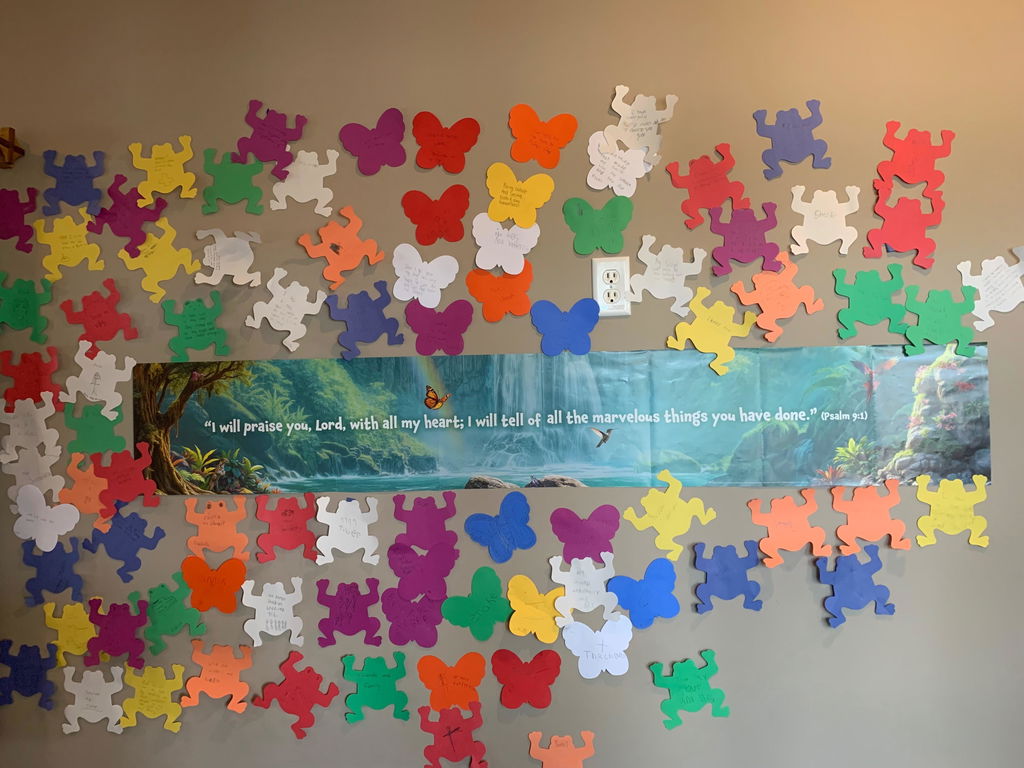
- Gratitude walls where each heart holds a kind note
- Counting or sorting activities for early learners
Because the shapes are consistent, attention stays on creativity rather than preparation.
Creating a Calm, Joyful Craft Space
The success of Valentine activities often depends on the environment. A relaxed setup with clearly defined materials helps creativity flow naturally.
Helpful setup tips:
- Pre-sort supplies into small trays or bags
- Display a finished example without limiting imagination
- Allow time for sharing finished work
This structure reduces frustration and supports confidence, especially for younger children.
Where Small Hearts Make Big Memories
Valentine-themed activities do more than fill time. They create moments where creativity, learning, and kindness overlap. Whether through crafting, visual encouragement, or playful worksheets, these small experiences often leave the strongest impressions, proving that a simple heart shape can hold a lot of meaning.


Comments